
Sensations Before Names
Eight scent samples went to Malaysia first, before any of them had a name. This first issue of afton., an independent perfume house meant to stay in everyday life long after the exhibition closes, begins by erasing those working names and writing them again.
The Tiny, Relentless Ember That Bloomed Where Everything Collapsed
I have been a designer for more than twenty years. I drew lines on blank plans, cut timber, worked out how people would move, and built spaces. Sometimes I made small, light pieces of furniture you could hold in one hand; sometimes I planned vast spaces where the rhythms of dozens of people crossed at once. The scale, the weight, the tools and the processes changed every time, but to me it was all one path. It always began with structure.
Before the frame goes up, something has to come first: a point of view. What are we aiming for? What attitude should this space, this object, ultimately hold? That hard-won point of view gives rise to the structure and chooses the materials. Somewhere along the way I had become quite good at this. I could sense the answer others wanted faster than anyone, and smoothly turned out the best possible result for their needs. But the better I got at following other people’s gaze, the faster the essence of who I was as a designer and planner came apart. I knew more than enough about how to make things, yet I had completely forgotten what I wanted to make. All that seemed left was an empty shell.
I no longer wanted to design.
It wasn’t that I wanted to give up creating. I only wanted to stop being a technician who gift-wraps other people’s desires, and to carry my own experience and way of seeing fully into the realm of art. Not a compromise drafted to win someone’s sign-off, but the cool yet burning sensation I had carried for so long, pushed all the way through on my own terms. When I looked inside myself back then, the person I had been had already burned away. But in the ashes, one very small ember remained. Every feeling, every resentment and every fierce longing of those years had been compressed into it: an absurd temperature that its size alone could never explain. If I could hold on to that frightening warmth, maybe I could build something again, in a completely different way.
It happened while I was collaborating with Naviplex. Almost in passing, a suggestion landed on the table: why not develop scents to pair with the works of the artists showing at ‘Ahlfah! Melaka! 2026’, an international hotel art fair in Melaka co-hosted with Hatten Group? For a while it floated around as a casual idea, until one day it took shape as a large official project that UNSEEN RATIO and AFTON would carry together. It was never about copying a painting’s colors into smell, or making the kind of air freshener that might suit a corner of a gallery. It was a long, demanding process: standing before the fierce attitude of artists who had spent years building worlds of their own, and translating what I felt there, as someone who had lived entirely through a maker’s eyes, into the transparent medium of scent.
The eight or so months of development felt like a tunnel of endless doubt. I went down to the very bottom of my emotions to dig out fragments of memory, and caught the abstract sensations circling in my head to translate them into the language of raw materials. I can’t describe the frustration of blending something with total confidence, only to find the next morning that it gave off a strange smell I had never intended. I went through hundreds of rounds of trial and error, washing the alcohol and oil off my skin each time. Still, I couldn’t stop. To stand before the fierce paths of some of Korea’s leading artists and reinterpret their energy through my own point of view was a chance that would not come twice.
By the end of that long, rough road, not all eight of the original scents had survived. One, built around a clear, pure water lily to hold a gentle Korean warmth, changed course early on. The Korea I know, and Seoul in particular, has never been only still and graceful. A fierce national spirit that survived countless foreign invasions; a tangled landscape where the most classical sensibility and cutting-edge technology collide with an almost grotesque ferocity: that was the real Seoul I knew. That energy was closer to the dizzying spread of a sunset than to a demure water lily, and in the end I stopped developing the water lily.
SUNSET WINTER, too, I decided to set aside for this journey. I mixed dozens of samples, again and again, trying to capture the warmth of a winter sunset, but the texture of that cool yet cozy air in my head never came within reach. I couldn’t wrap something unfinished, something I couldn’t accept myself, in a plausible name and send it out into the world. I left it out, promising myself to return the day I reach the sensation I’m after. I still think it was the right choice. Looking honestly at what was given up and let go is exactly what proves the sharp point of view behind this project. And so the eight perspectives became six distinct stories: four art pairings and two independent scents.
Six Ways of Seeing, Translated into Sensation
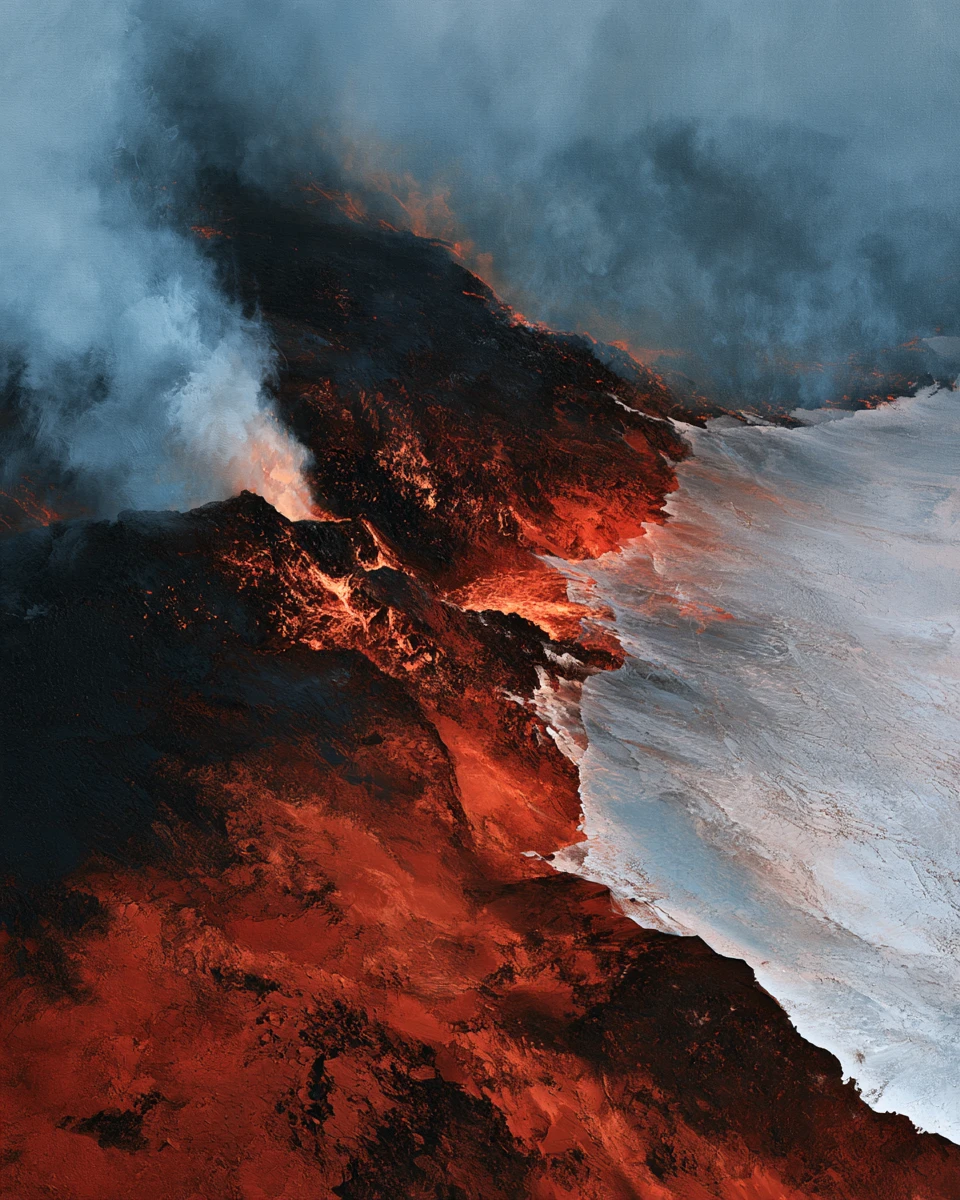
Cherry Decadence × Kim Ji-ana
A cold mist falling without warning over blazing red earth: a sharp force that will not be tamed.
Long ago I designed a scent, something like an art piece, around air so hot and dry it takes your breath away. One day I felt the urge to lay a crushed cherry over that rough heat. Once mixed, something strange and unexpected rose up. It was hot, yet cool. Neither side smothered the other; a red heat that could scald and a blue cold that chills to the bone held each other in tension within a single space. It was the same energy that ran through my veins when I stood before Kim Ji-ana’s work: color used so dynamically it seems to tear out of the canvas, a frightening boldness that never stops pushing, and an overwhelming intensity that can at times feel like physical pain. I didn’t want to sand that merciless energy down into a pretty, friendly fruit scent. Instead, I made the fierce, unyielding force hidden beneath the beauty the spine of the scent, and let it set my course.
At first breath, the dense smell of dark red, ripe fruit mixes with sharp shards of spice and strikes hard at the nose. This is not simple sweet juice, but the thick, wild breath of fruit drying on rough ground under a hot sun.
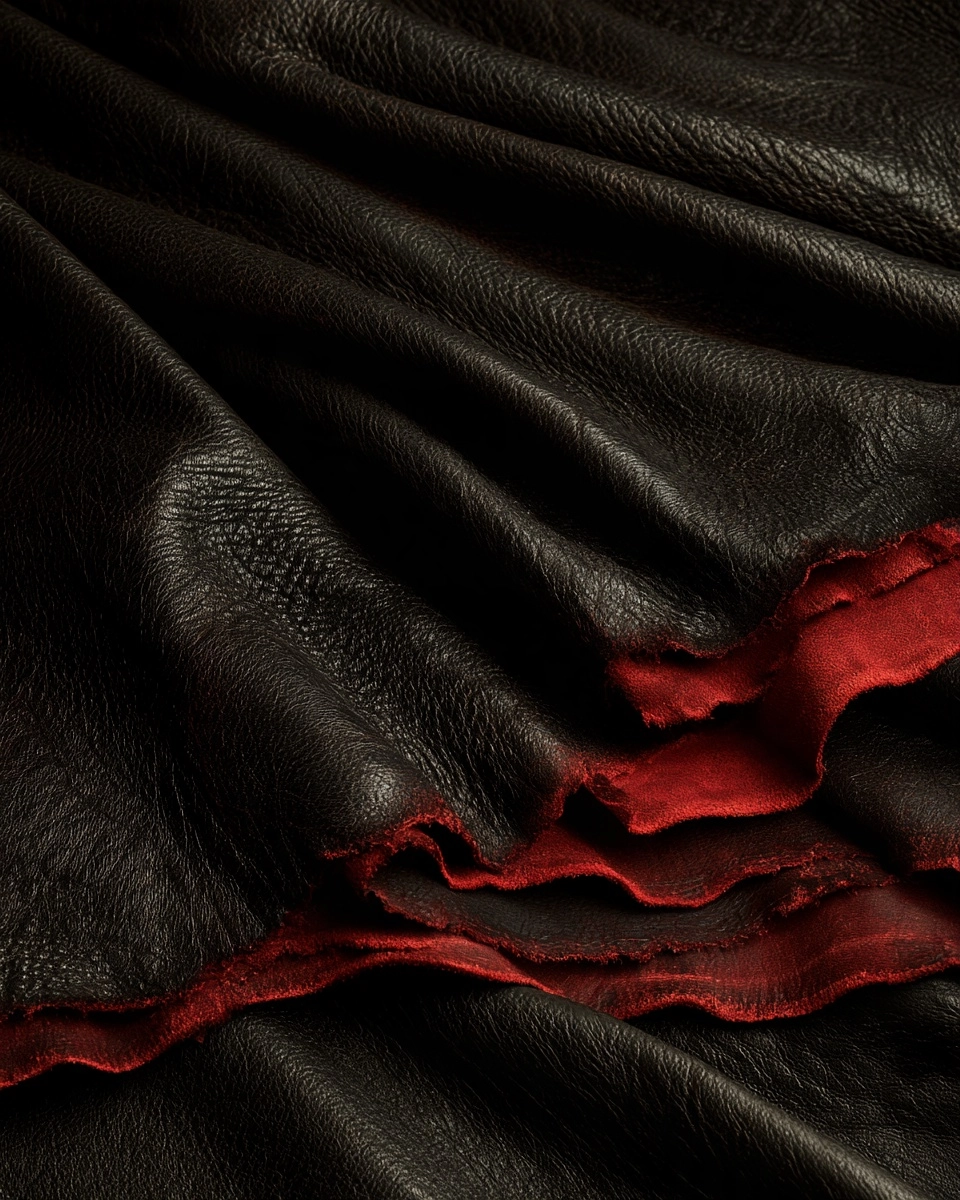
As the red of the fruit begins to settle, the heavy, stiff texture of leather, worn by the years, rises and casts a long, smoky shadow. In the bone-dry air, scorched wood and a feral, animal note tangle together, adding a cool, dry weight.
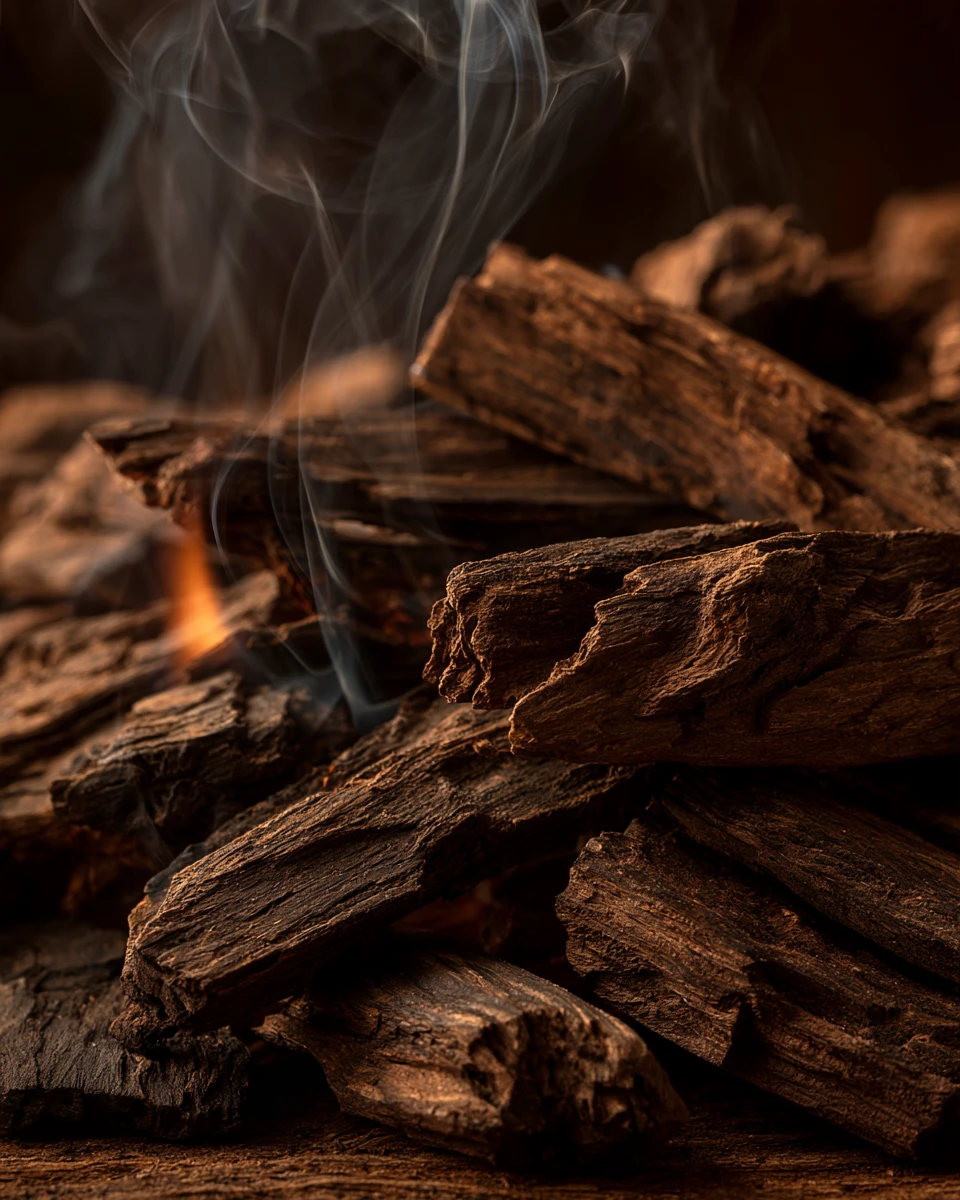
In the dry-down, the heavy, pressing air suddenly clears, leaving a woody note as cool and smooth as polished timber. The warm, soft presence of skin quietly wraps around what is left of the rough leather, leaving behind a long tension, strangely sensual yet hard to approach.
From the roughly 300 aroma chemicals and 100 natural blends lined up in the studio, I spent a long time tuning how dense the red fruit should be for this contrast of hot and cold. I built a dark fruit backbone that wasn’t too light, then layered the texture of rough leather over it for an animal weight. I kept experimenting with a touch of spice for a piercing sharpness, and placed transparent woody and musk nuances, warm as body heat, in the dry-down to hold the cool tension to the very end.
Through this scent I wanted to leave an untamable, wild freedom: a decadent strength. I want people to feel the overwhelming, sharp-edged energy that comes through without ever dressing up to prove anything.
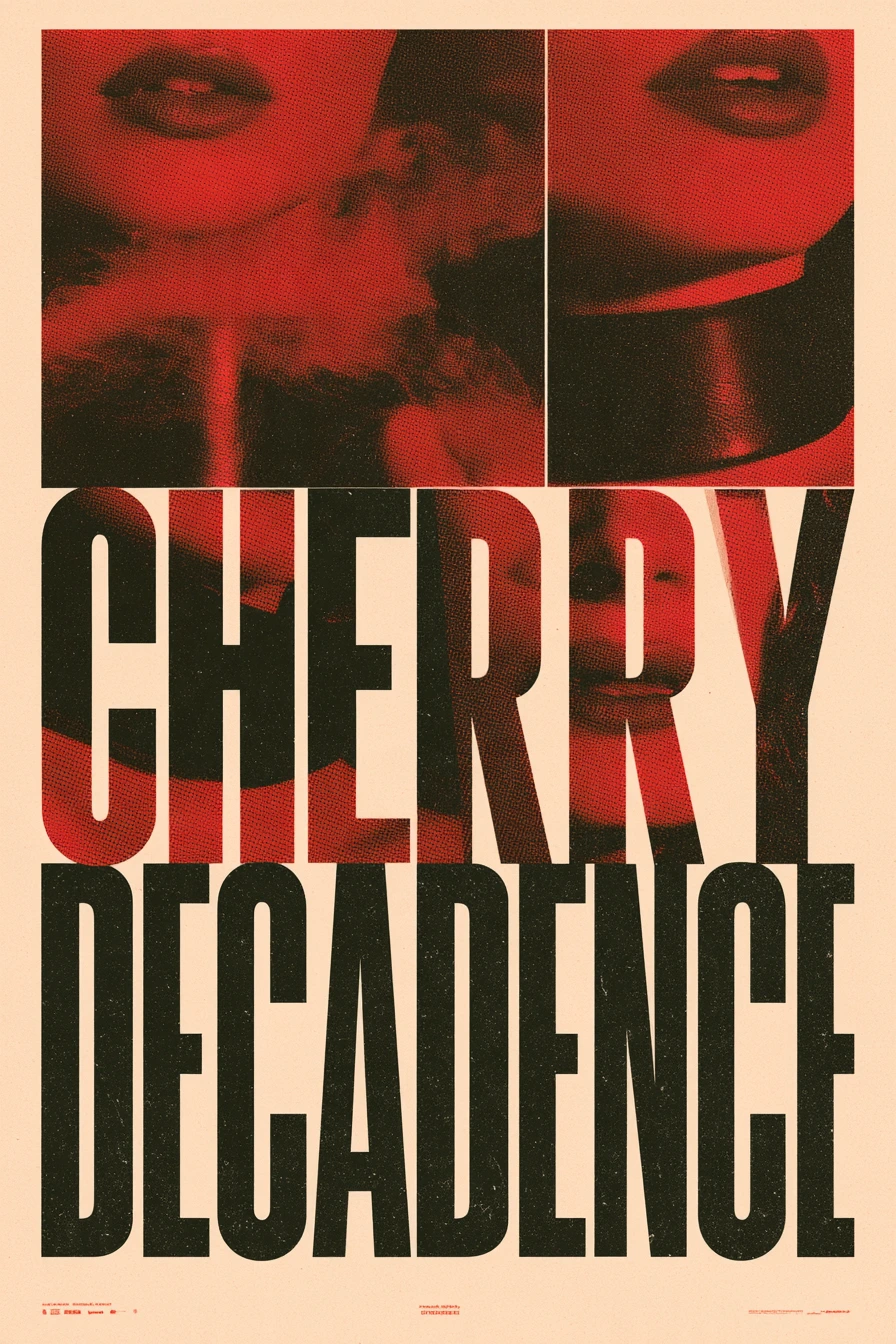
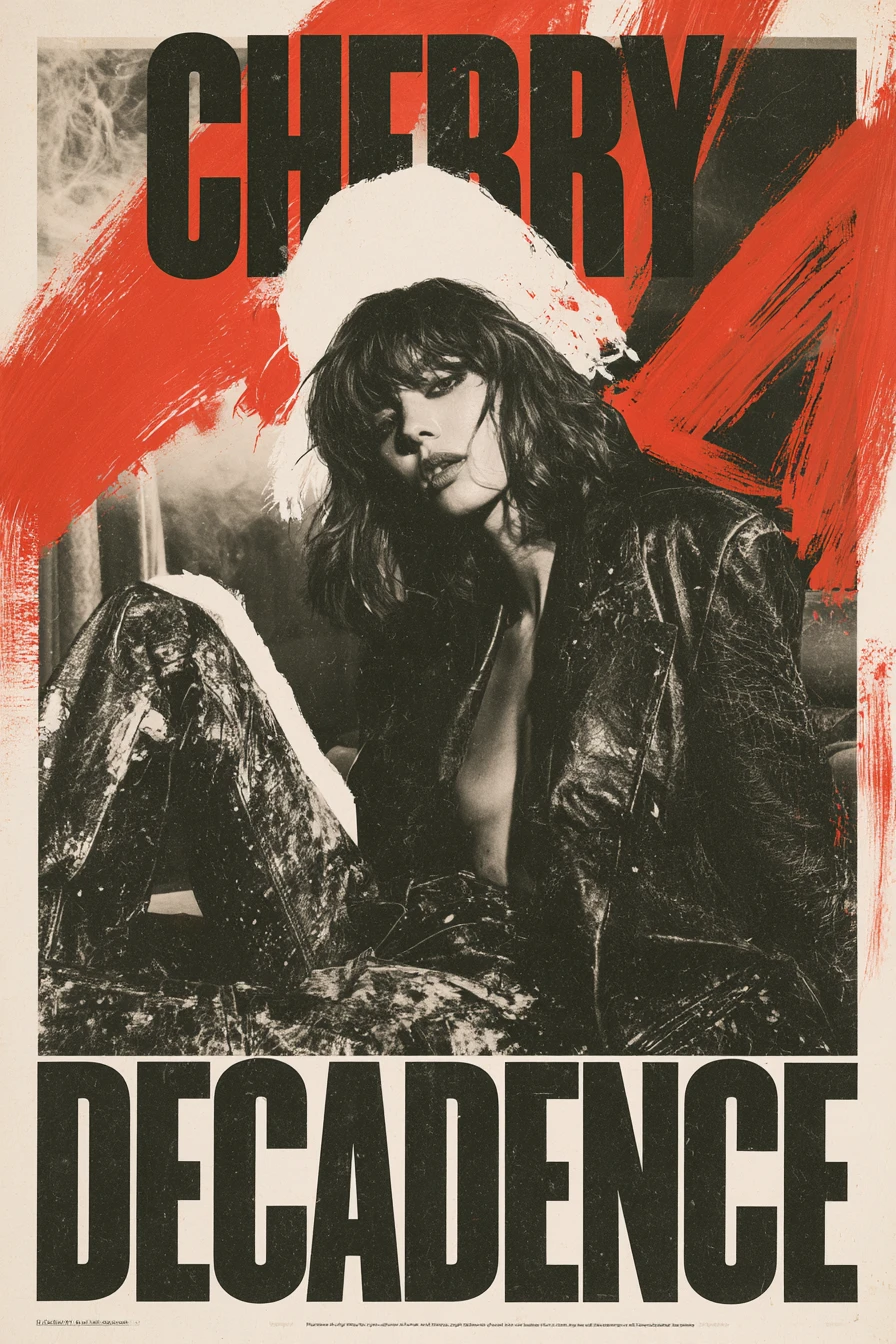
Dark red fruit crushed over dry leather, breathing out something both cold and hot.
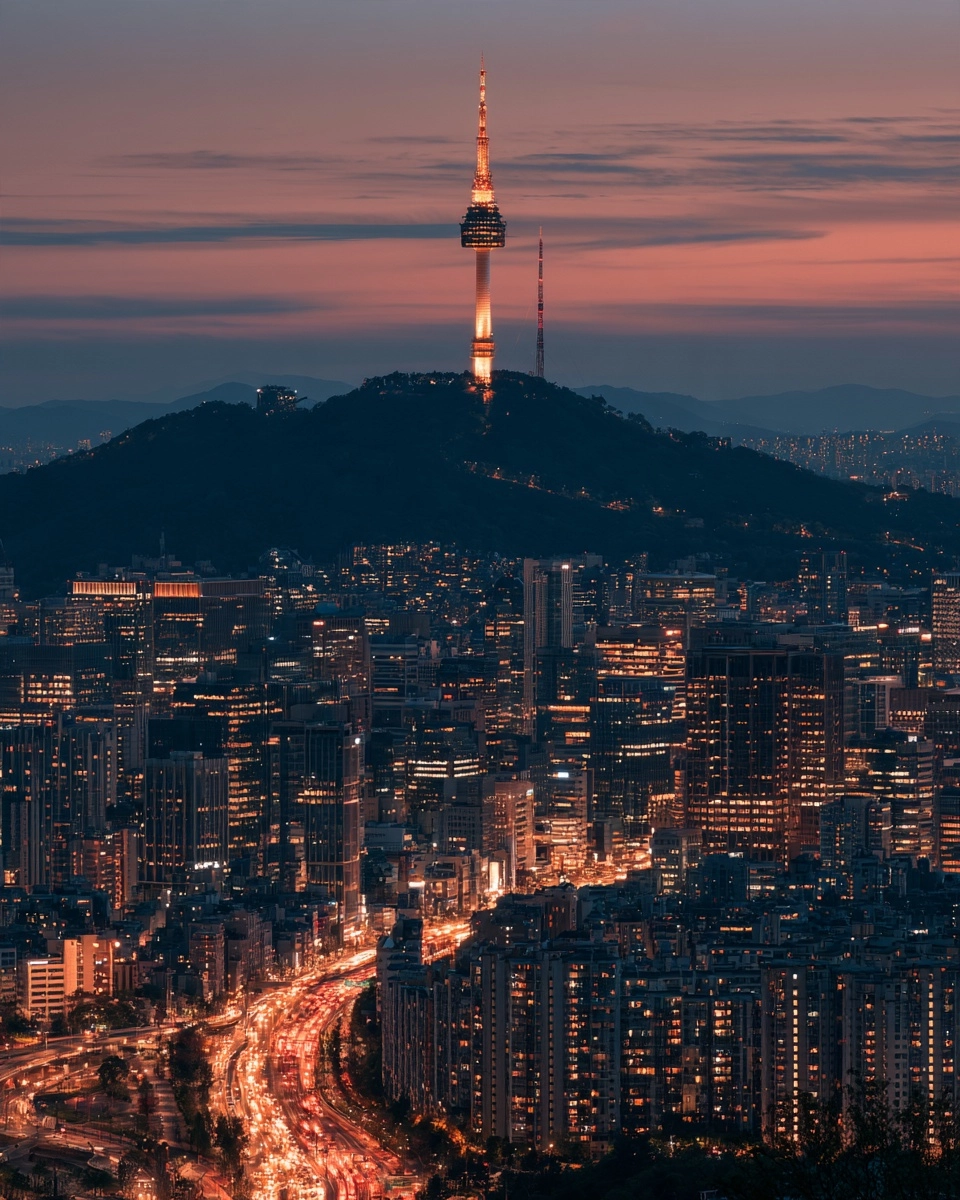
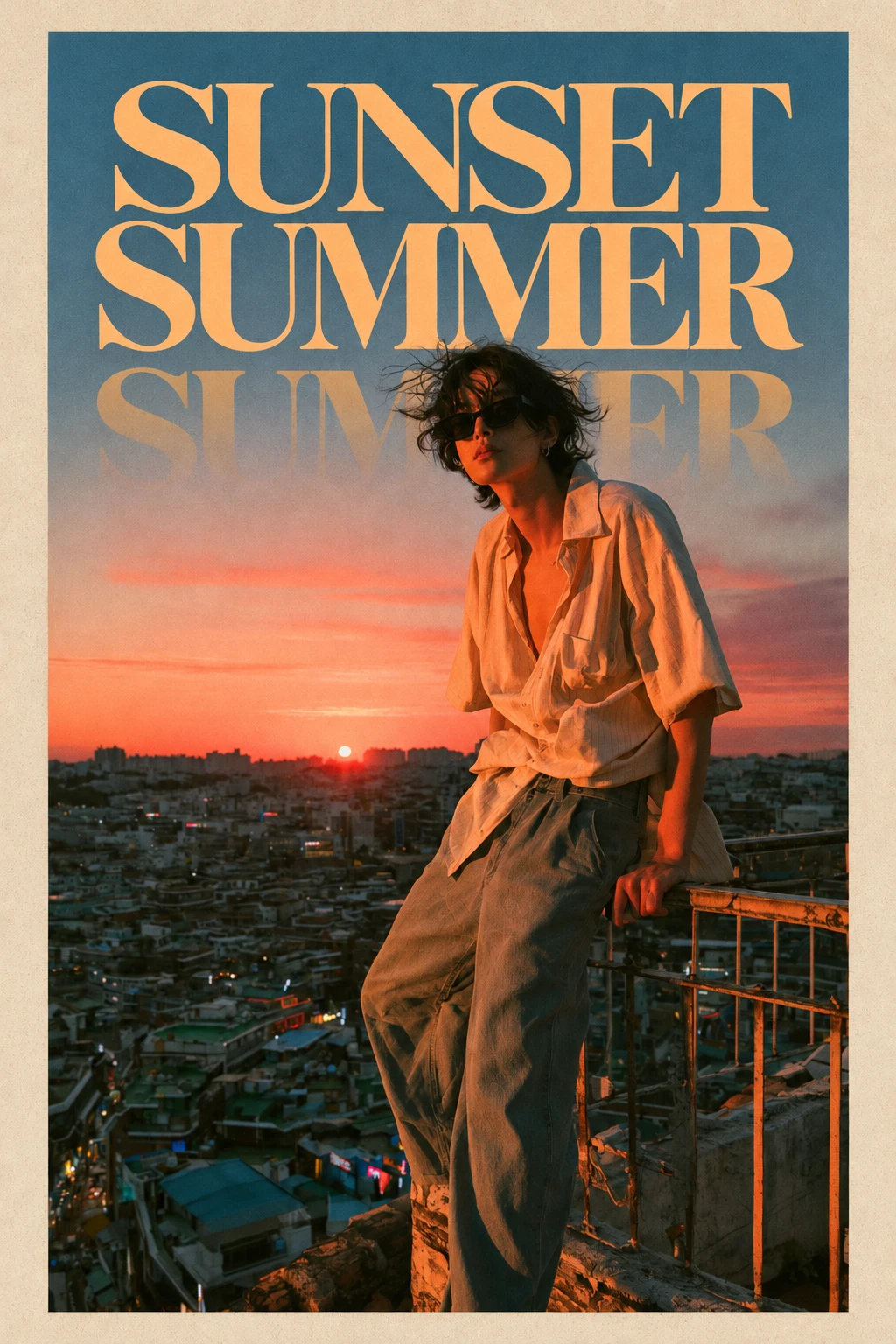
Sunset Summer × Ha Tae-im
Under layers of cyberpunk neon, artificial cool and boiling vitality collide: Seoul at night.
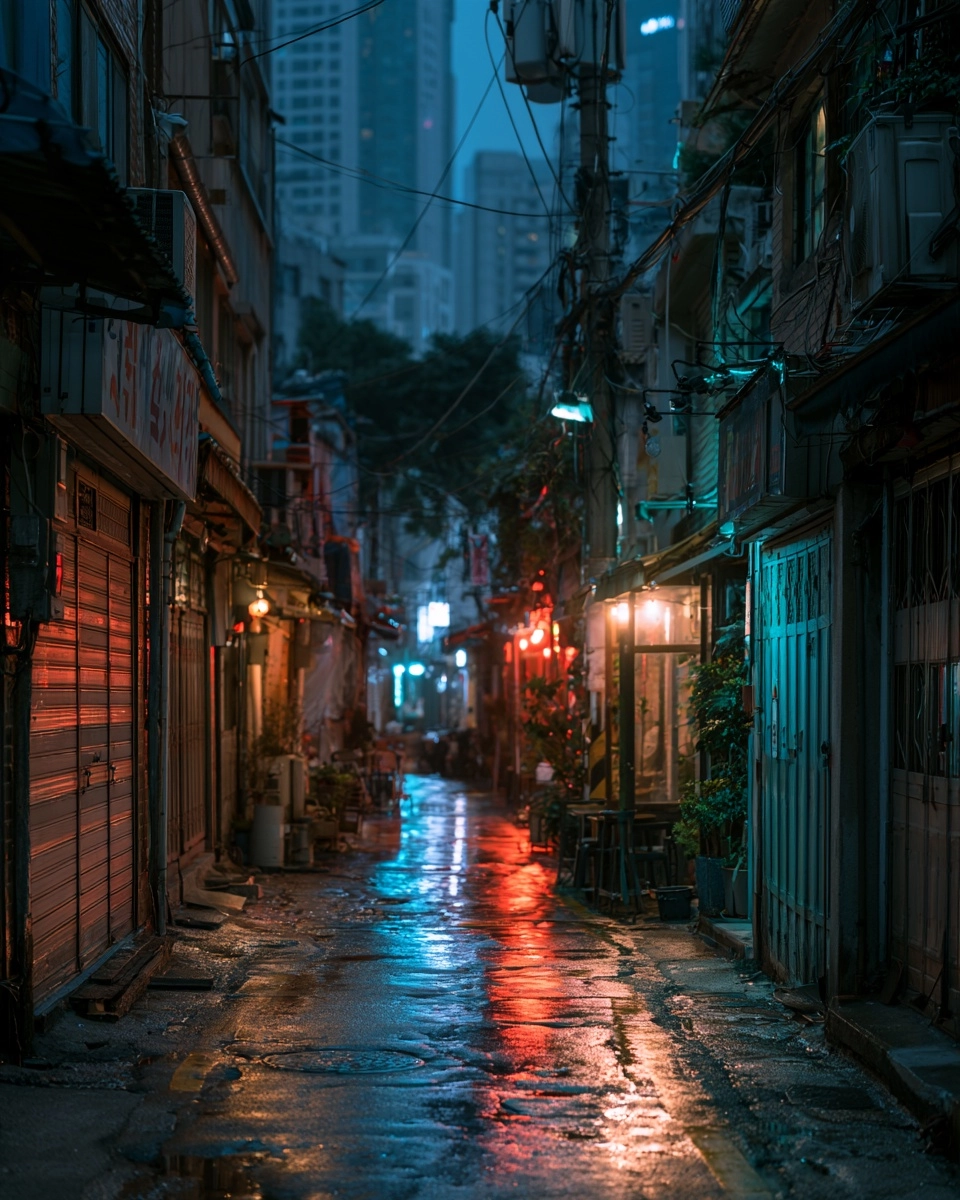
At first I imagined a peaceful evening: resting after a hard day’s work and watching the sky turn red. But soon I found myself asking: if we rest only so we can go back to working like machines tomorrow, when does time that is truly my own ever begin? So I turned the story of Sunset from rest to release. The target was the energy of Seoul at night, the life that only starts after work: sticky, ecstatic, cyberpunk. Beneath the great skyline that Namsan Tower looks down on, the back alleys of Euljiro, where old metal workshops sit beside hipster bars. Blue, orange and purple neon clashing, almost grotesquely, over worn asphalt. The ever-shifting explosion of color in Ha Tae-im’s work looked remarkably like the density of this strange city. The core was the wake-up fizz of soda, but while building the structure from the materials we had, I ran into an unexpected problem. To get past it and bring out the sticky tropical juice of summer, I cut the problem blend and tested replacing the whole structure with tropical notes such as pineapple.
The cool, sweet fizz of soda bursts open and wakes the brain, slicing through any lingering drowsiness in one stroke. In the middle of that sweetness, a metallic, artificial chill, like cold aerosol, suddenly cuts in.
As time passes the artificial chill lifts, and the sticky, dense pulp of tropical fruit pours out, heavy with the heat of a midsummer night. Like nameless wildflowers blooming in the gaps between concrete buildings, a dizzy, lavish floral wave rushes in and releases the feverish energy of the city at night.
At the end, all those vivid colors melt softly and cling to the skin as a milky, pale skin scent. It is the lingering of a languid, sensual amber with a little fatigue in it, like walking alone down a street at dawn after the neon has gone out.
In the early recipe I focused on building the bright impact of sparkling citrus. To fix the insecticide-like nuance, at the candidate stage I wove in accords that give the juiciness of tropical fruit, pineapple among them, testing ways to layer in the density of a sticky summer. For the dry-down I laid down a transparent white floral and a soft musk, shaping the whole structure toward an urban sensuality.
I wanted to give the thrill of escape and release, enough to blow away in one stroke the mechanical fatigue that follows grueling work. I want to leave on the skin an uncontrollable vitality that surges inside a perfectly engineered, artificial city.

Red neon pouring onto the wet asphalt of Euljiro, and a sweet, mechanical breath spreading over it.

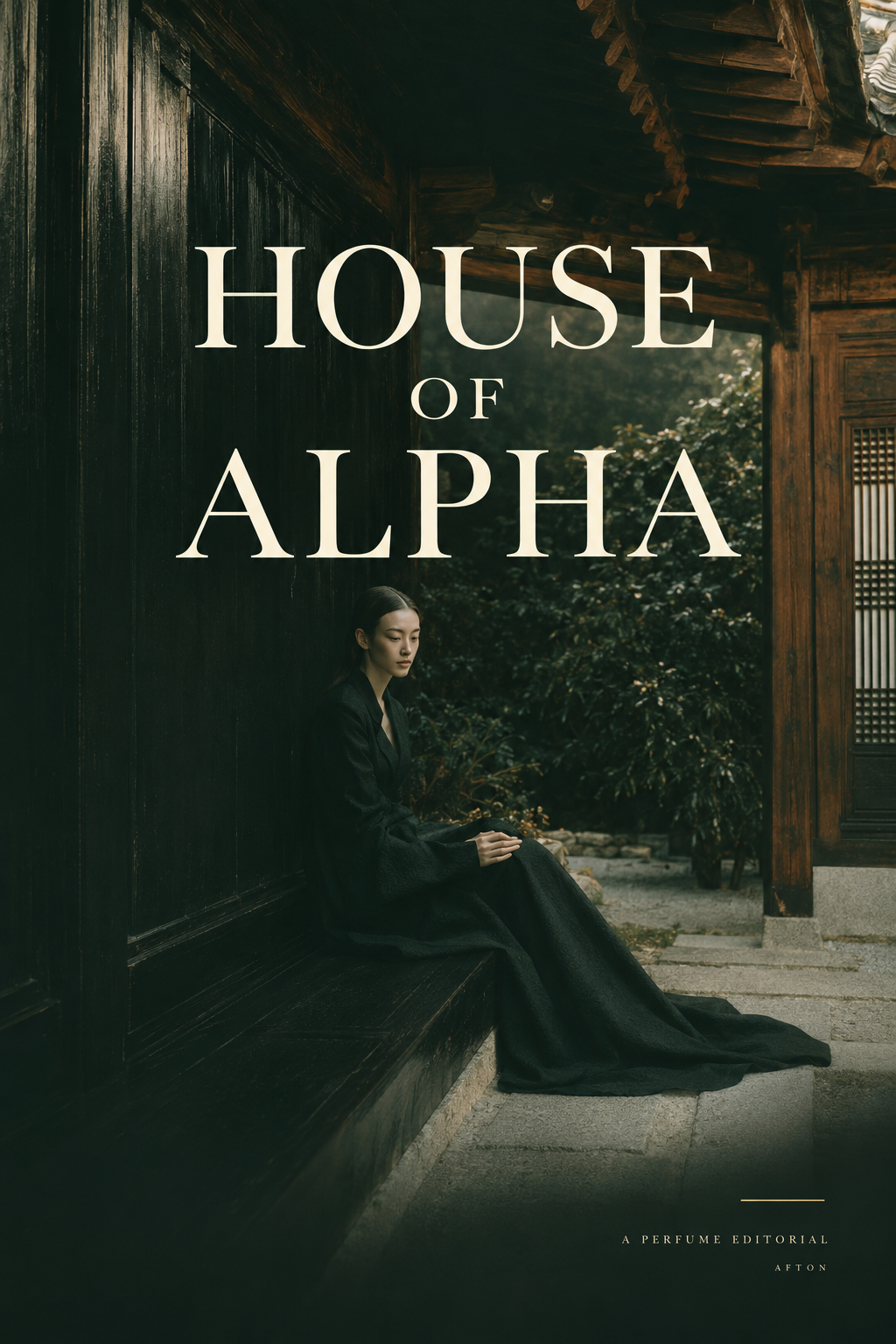 HOUSE OF ALPHA
House of Alpha × Lee Hyun-seung
The deep black gloss of lacquer, layer upon layer, and an old wooden floor: the quiet, heavy strata of time, proven in silence over the years.
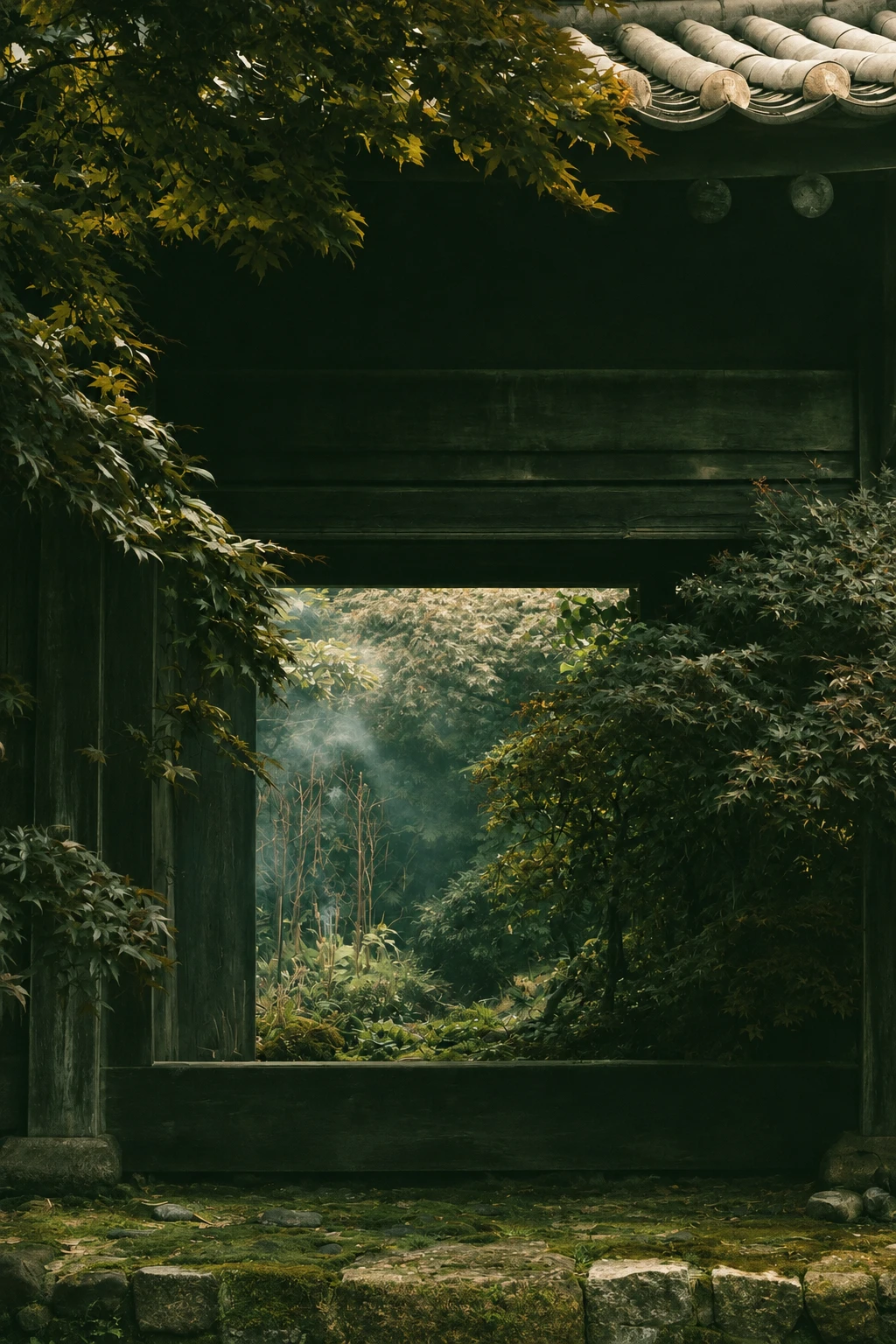
When I stepped into Lee Hyun-seung’s studio, House of Alpha, it was not some gaudy Western atelier with paint splashed everywhere. It was the workspace of a lacquer master, heavy with countless sculptural forms and the traces of relentless work. Old tools, coated layer upon layer with the grime of endless repetition, and light seeping in carefully through the lattice windows. Even the lacquered wood, coated and wiped dozens of times until it finally gleams. The whole space gave off an attitude that was endlessly quiet and heavy. There was a sublime heat there, the kind that only comes from someone who has endlessly poured themselves out before the great wall of art, working silently with their hands. With this scent I stopped trying to imitate the smell of any particular object in a shallow way. Instead, I committed fully to translating into scent the dense humidity and depth of a master’s space, built up over the years the hard, honest way, with no shortcuts.
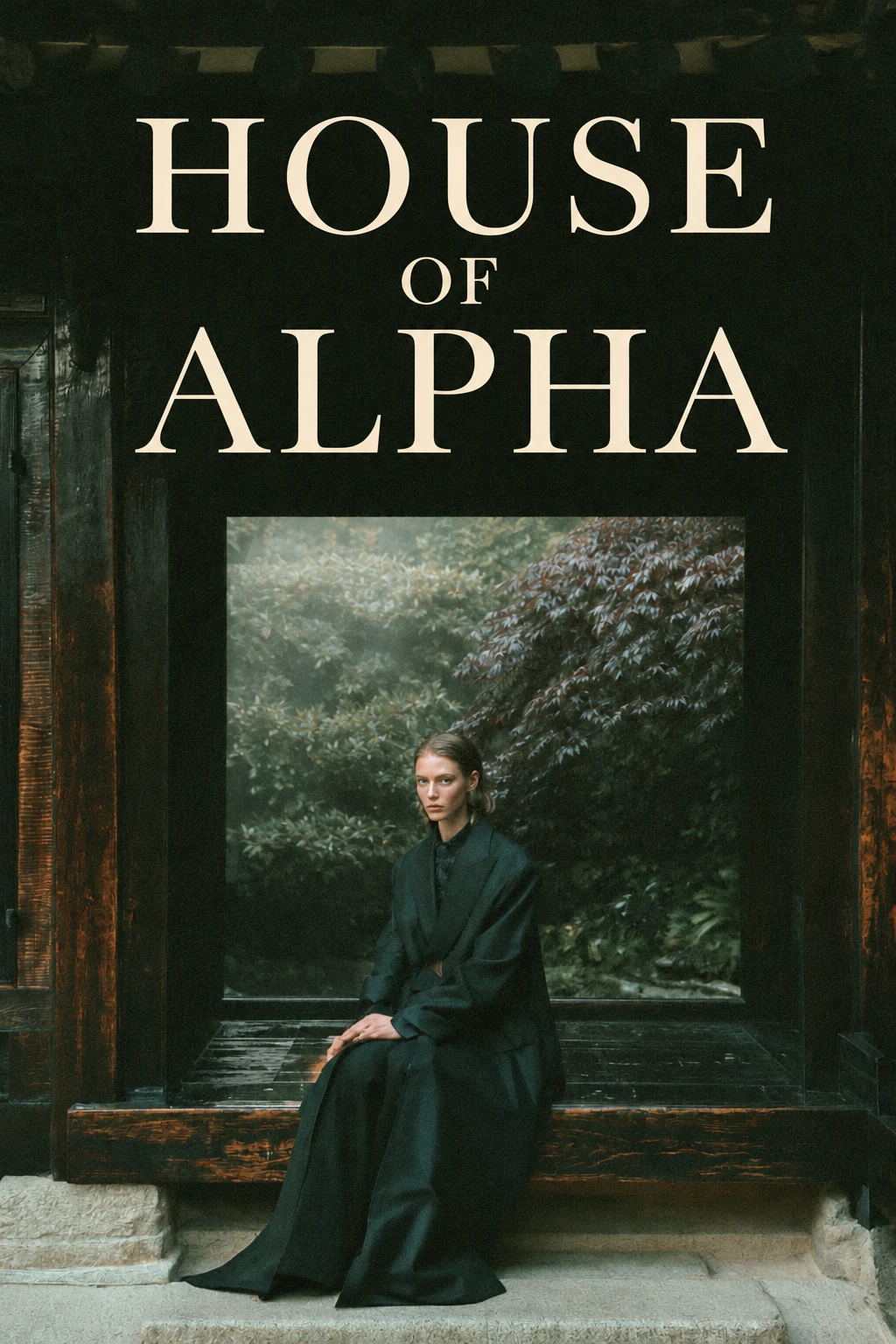
First comes the presence of a mossy stone, cool and damp, under eaves the sun never reaches. The bitter scent of dark blue-green leaves, deeply steeped, settles heavily across the floor, thick with moisture.
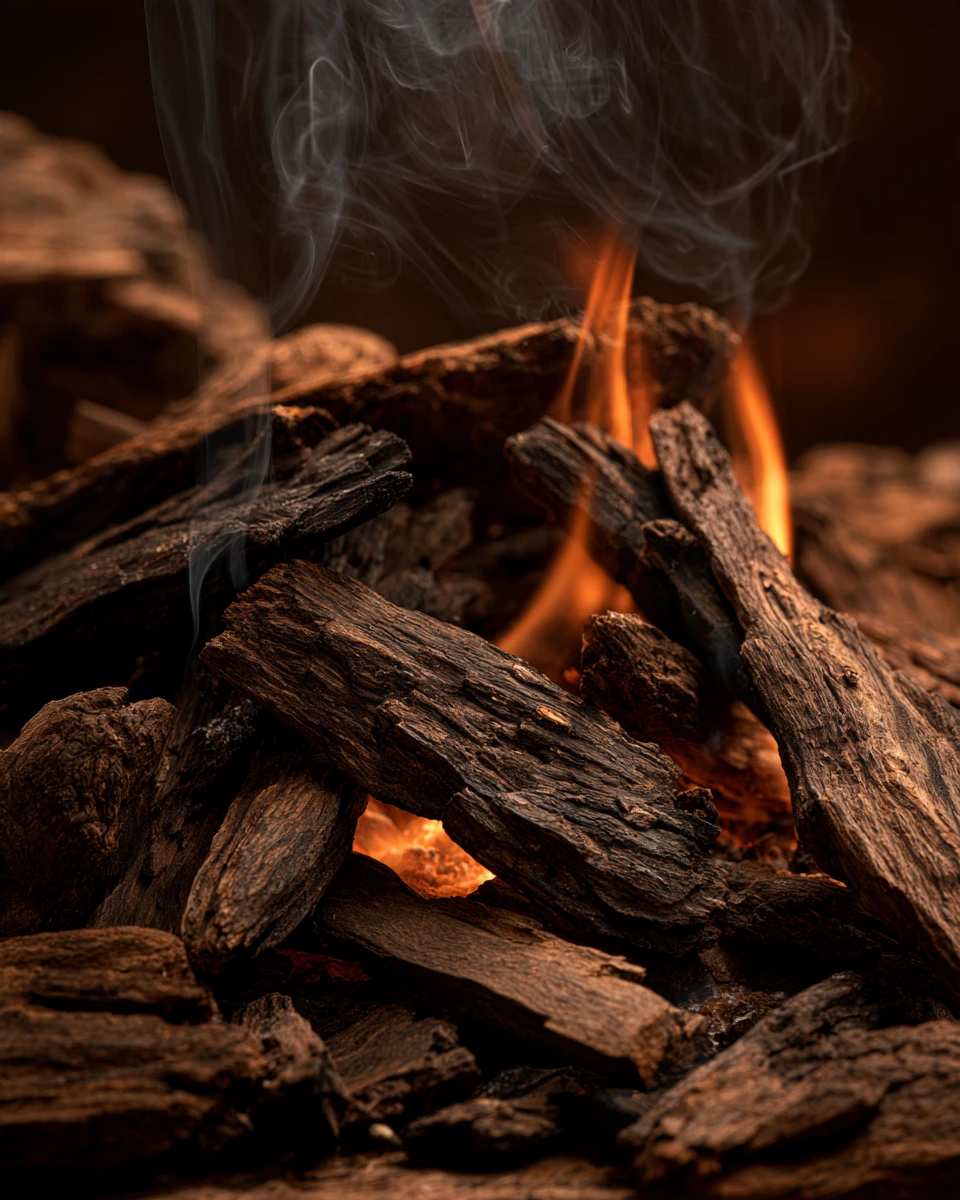
Soon, from the middle of the room, thick incense smoke rises, very slowly but steadily, and parts the air. The cool, weighty smell of lacquer, drawn out through endless repetition, mixes with the scent of thickly simmering resin, creating a state of quiet absorption in which you hardly dare breathe.
At the far edge of a space where time seems to have stopped, there remains the dry smell of old wood, lacquered dozens of times to a deep black sheen. With each step, the soft presence of dry earth and old dust rising from the wooden floor warms the once-cool space and lingers for a long time.
From the materials I work with, I strictly excluded notes that fly off lightly. Instead I wove together heavy, dense resinous notes to recreate the incense-laden air of an old space. I added an accord that sets damp moss against dry earth, and sketched the base with materials carrying deep woody nuances, so that those heavy presences would settle calmly into the room.
I wanted people to feel not a trend that evaporates easily, but the tenacious, sublime attitude of a seeker who builds up their own time in silence. I want to convey the density of a steady mind that stays in one place without wavering.
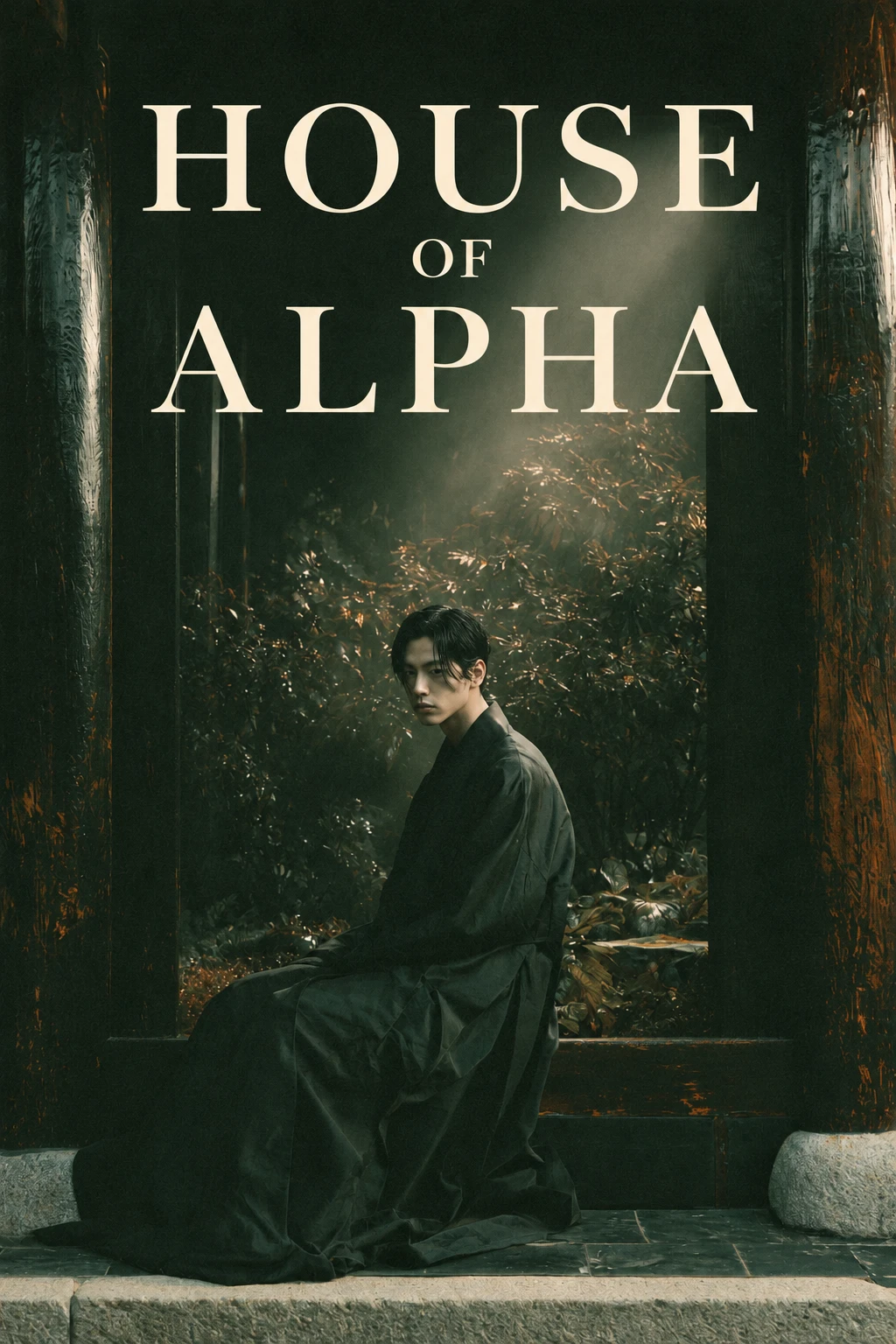
Île Solitaire × Bang Ui-geol
A gray November coast where all noise has gone. Only where everything has been emptied out does the vast, overwhelming dawn finally arrive.
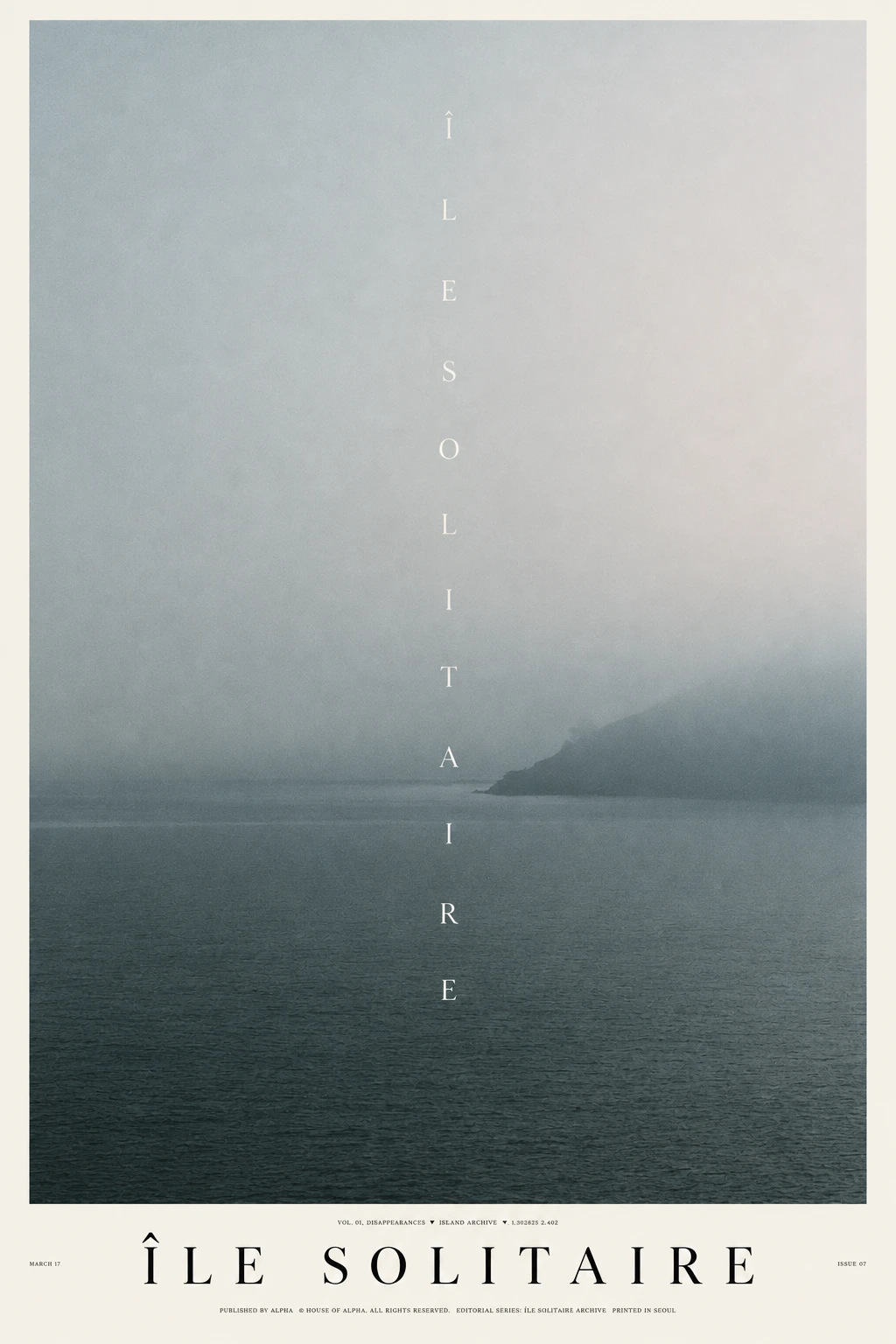
When I first stood before Bang Ui-geol’s work, the word that came to mind was stillness. But it wasn’t the meager silence of a corner of a room. It was a grand stillness: sound fades away, everything cluttering the view disappears into the fog, and the empty space takes on an enormous volume and presses down on you. I took this feeling to the winter sea in November. A deserted gray shore after the crowds have gone, a knife-sharp wind carrying cold salt, the moment when only the vast scale of the sea comes heavily through the haze. I didn’t want this scent to speak of lonely sadness. I set its course toward a cool clarity: in a solitude where every distraction has disappeared, you feel, almost painfully, exactly where you are standing.
It opens with a pale strike of citrus that stings the nose like a cold, salty sea wind. It is the texture of dry, cool air sweeping low across frozen sand, with no trace of life.
As the fog slowly lifts, the smell of driftwood, washed ashore by the waves, bleached white and bone-dry, rises with the salt. Through the grain of that rough, cold wood, a faint, watery scent of some unknown flower spreads, quietly revealing a small warmth hidden in the cold landscape.
Once the overwhelming weight of the sea has passed, a soft skin scent remains, warming the pale, chilly air. Like the warmth you feel when you put frozen hands into your pockets, a faint amber, found at the end of overwhelming solitude, settles quietly on the skin.
A marine accord carrying the salt of a cold sea breeze forms the cool backbone, with a faint woody layer of bleached, wet wood beneath it. The base is a musk, pale yet close to human body warmth.
I wanted to give a cool, clear moment: after all the noise of the world has stopped, standing face to face with yourself in a majestic silence and absolute solitude.
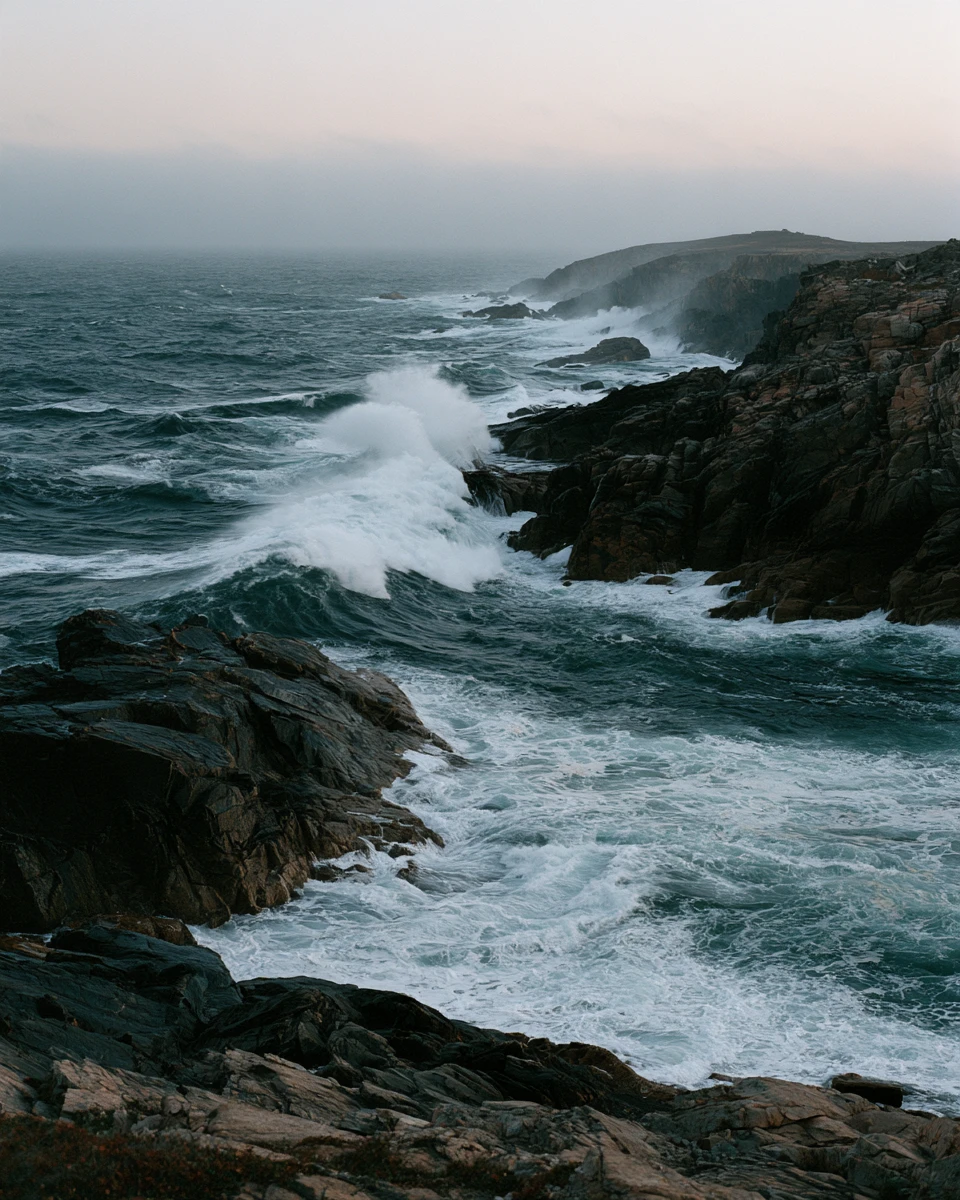
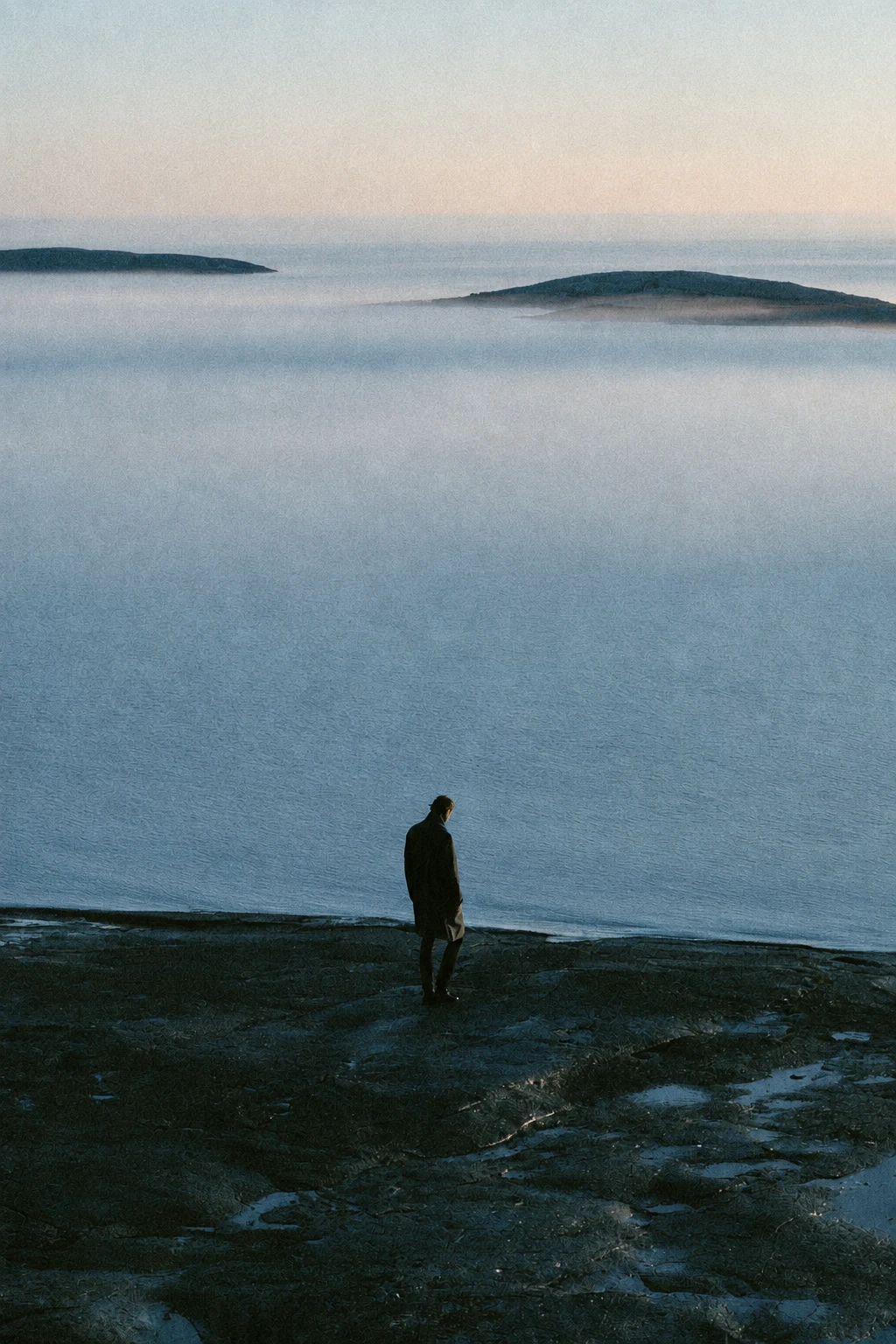
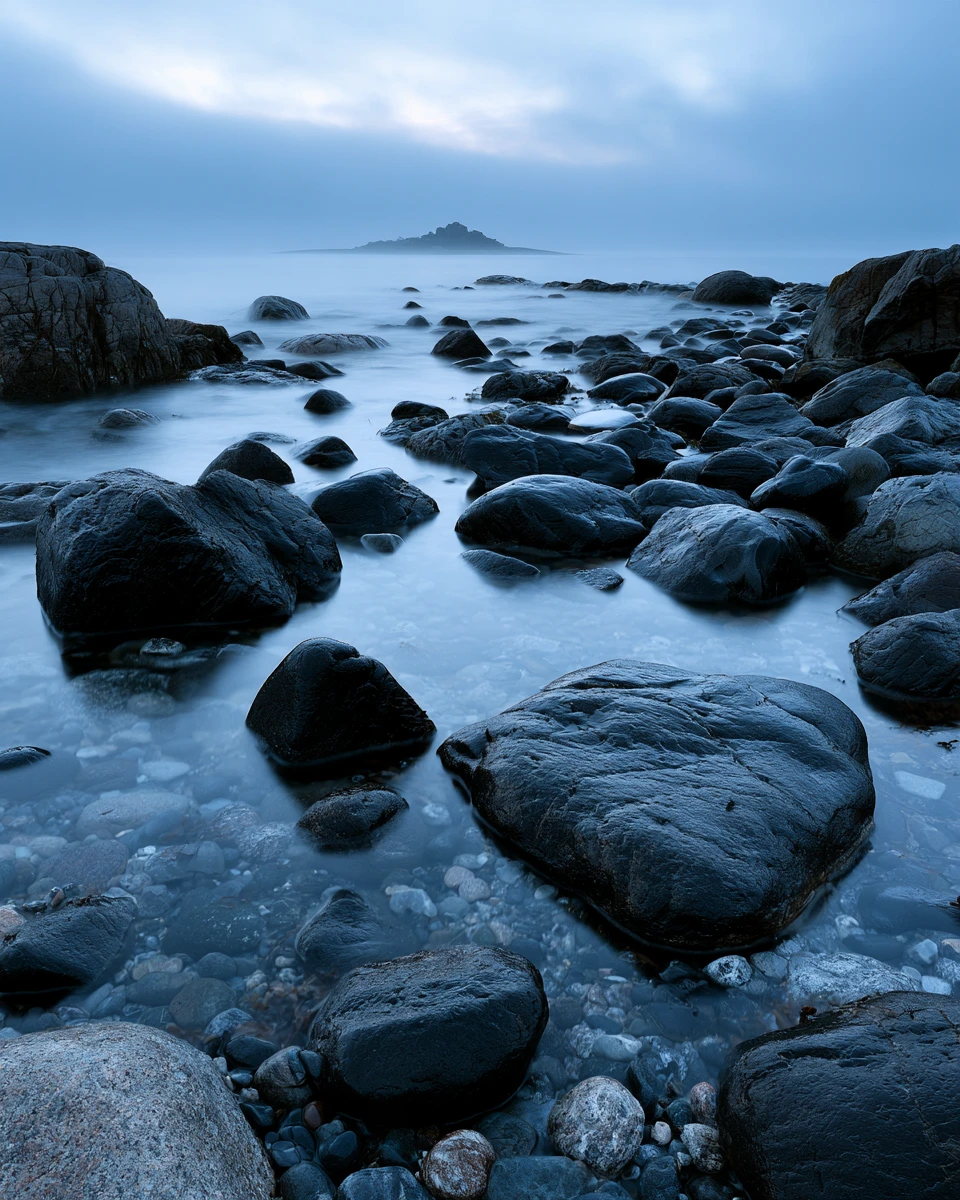
Only gray stones and wood, wet with moisture, faintly showing their outlines: a quiet, vast November sea.
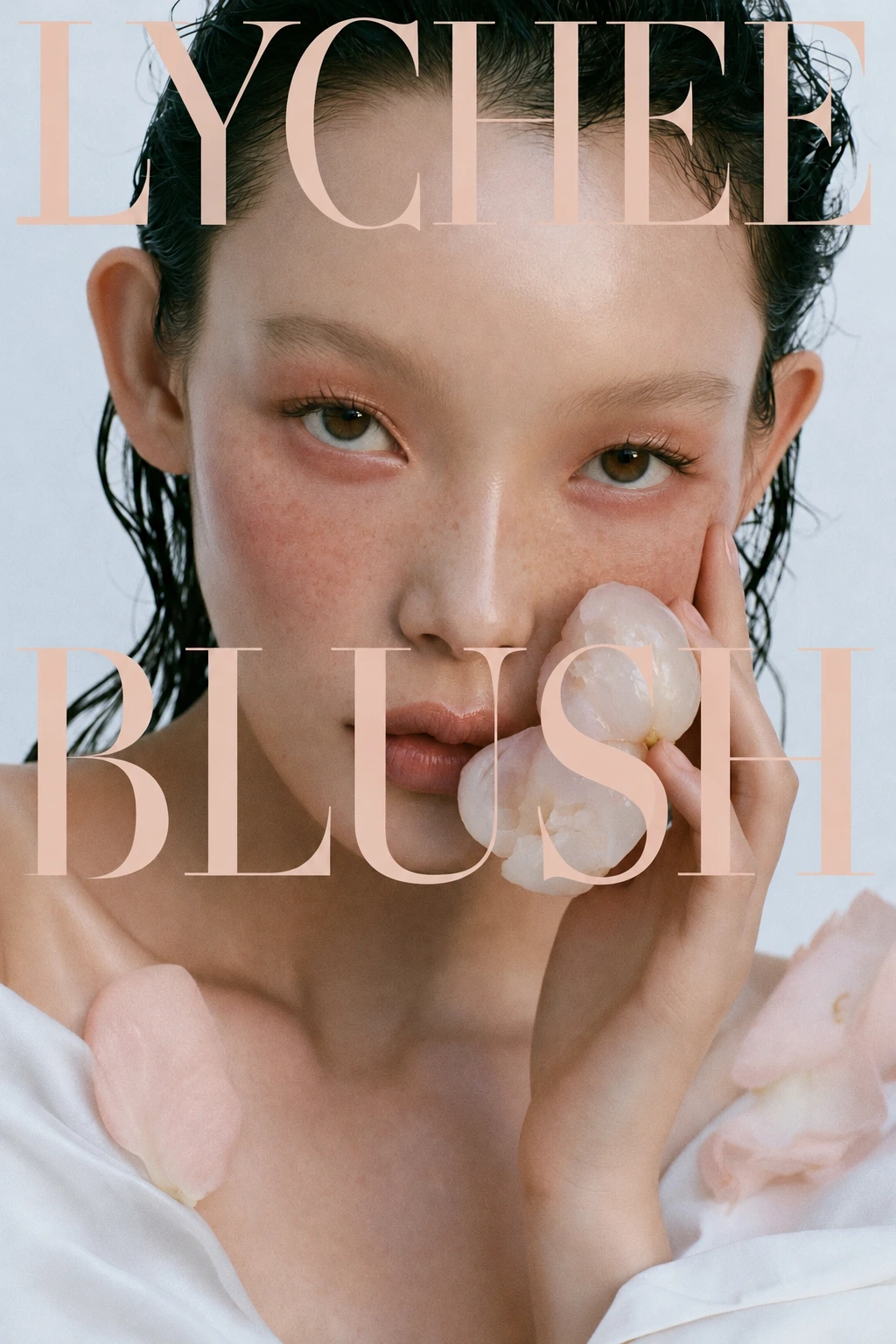 LYCHEE BLUSH
Lychee Blush
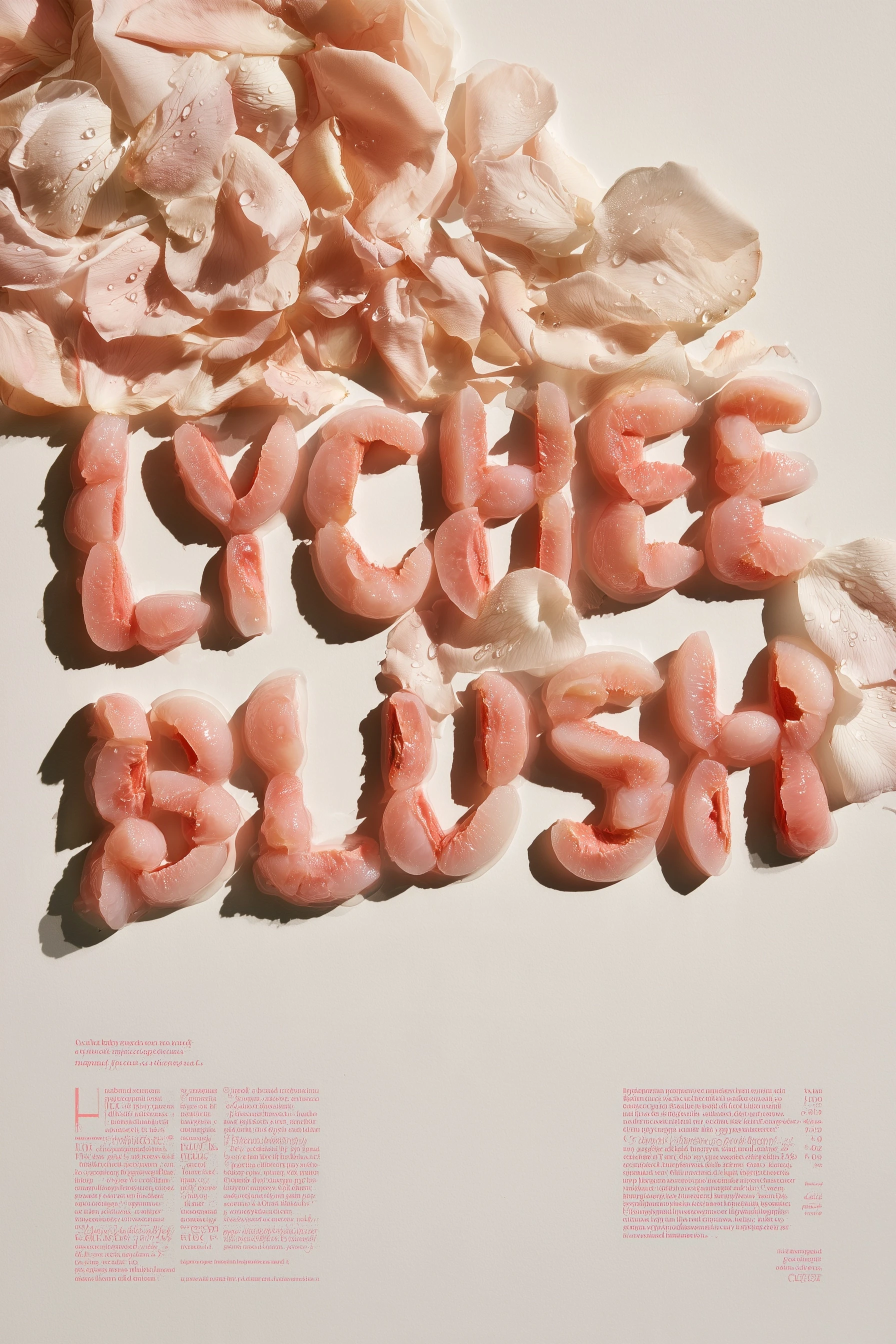
Sweet fruit and wet rose petals melt into the skin and stay, not as perfume but as the wearer’s own scent: an intimate trace.
This is an independent scent that began not in front of a canvas, but in the most intimate place there is: bare skin. I wanted to avoid the moment when someone walks past and a brand instantly comes to mind: “Ah, they’re wearing that perfume.” I wanted an ambiguity in which the perfume’s label never covers the person, and you’re left wondering, “Did they always smell this good?” A skin scent you can spray straight onto bare skin without hesitation. The soft, clean feeling right after a shower, but never the smell of the ordinary shampoo lying around the bathroom. Borrowing the image of clear, translucent lychee and wet rose petals, I set out to make a trail that feels clean, yet clings to the skin more stubbornly than you would expect.
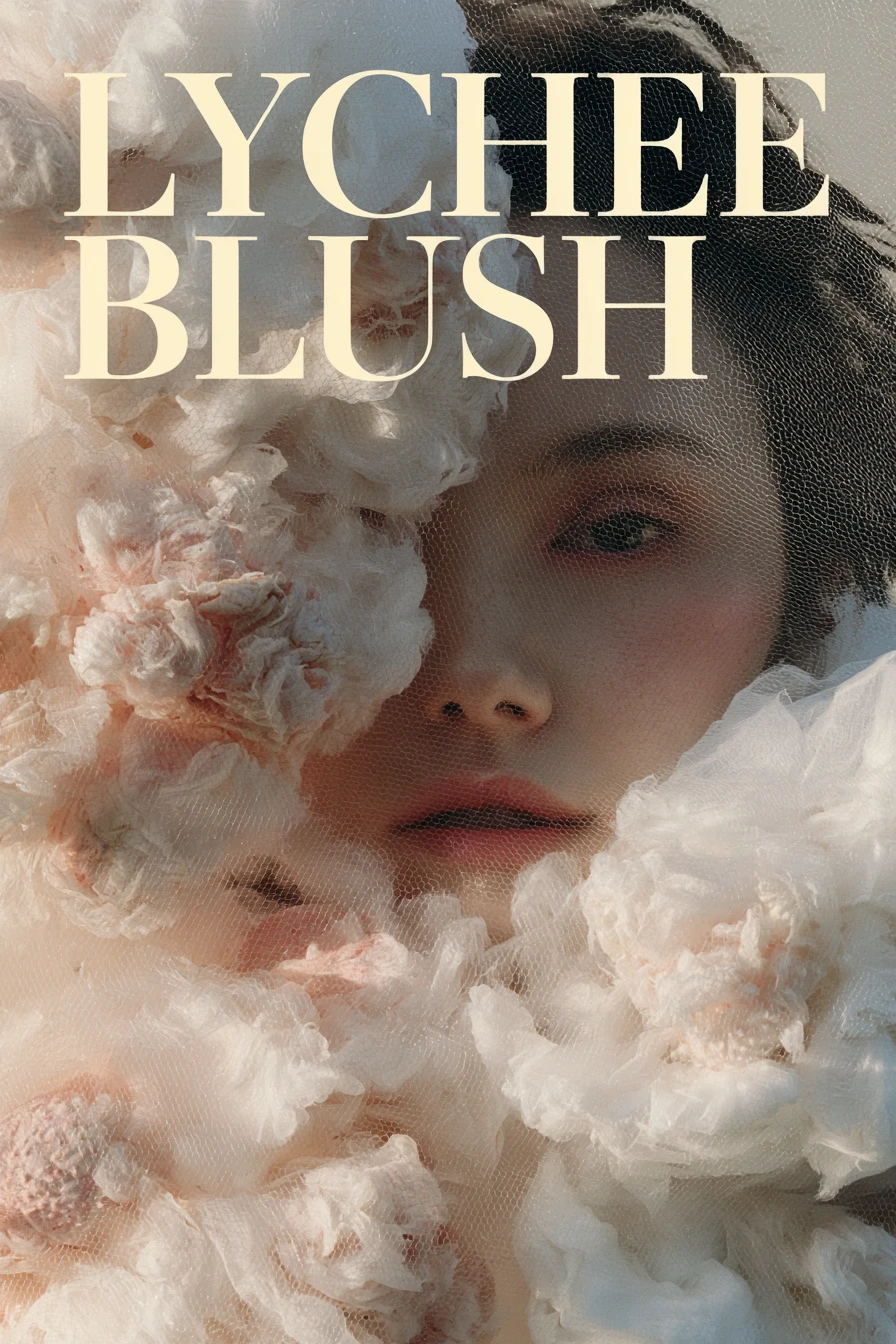
It begins with the sweetness of cold, translucent lychee flesh, as if clear juice would drip with one bite, softly wetting the surface of the skin. Not the sticky tartness of fruit, but a clear, rounded sweetness, brimming with moisture.
The clean scent of young rose petals, just beginning to open and heavy with dew, blends into the lychee juice. Not the smell of a florist’s roses in lavish full bloom, but the soft, sheer feel of soap lather and rose leaves that reaches you just after washing in a bathroom full of warm steam.
As the moisture slowly dries, the fruit and petals of the opening lose their shape and melt entirely into a soft skin scent. A faint skin musk, one you only notice when you come close enough to feel someone’s breath, warm and secret and slow to fade, takes on body heat and lingers for a very long time.
To design the first impression of a transparent rose, from the studio’s materials I chose the clearest, most dewy floral notes for the blend list. Rather than the sweetness of fruit, I layered in a clean nuance like a dew-covered leaf, and for the base I focused on building a skin musk that clings tenaciously and lingers secretly.
I hoped this scent would not be a coat that covers a person, but a second skin lightly layered over their own. When the scent has lifted, I hope only that person’s clear trace stays, privately, in memory.

Urban Shade
An autumn field of blowing dust and a thicket of sharp concrete towers: the strange, captivating collision of two worlds that seemed as if they could never mix.
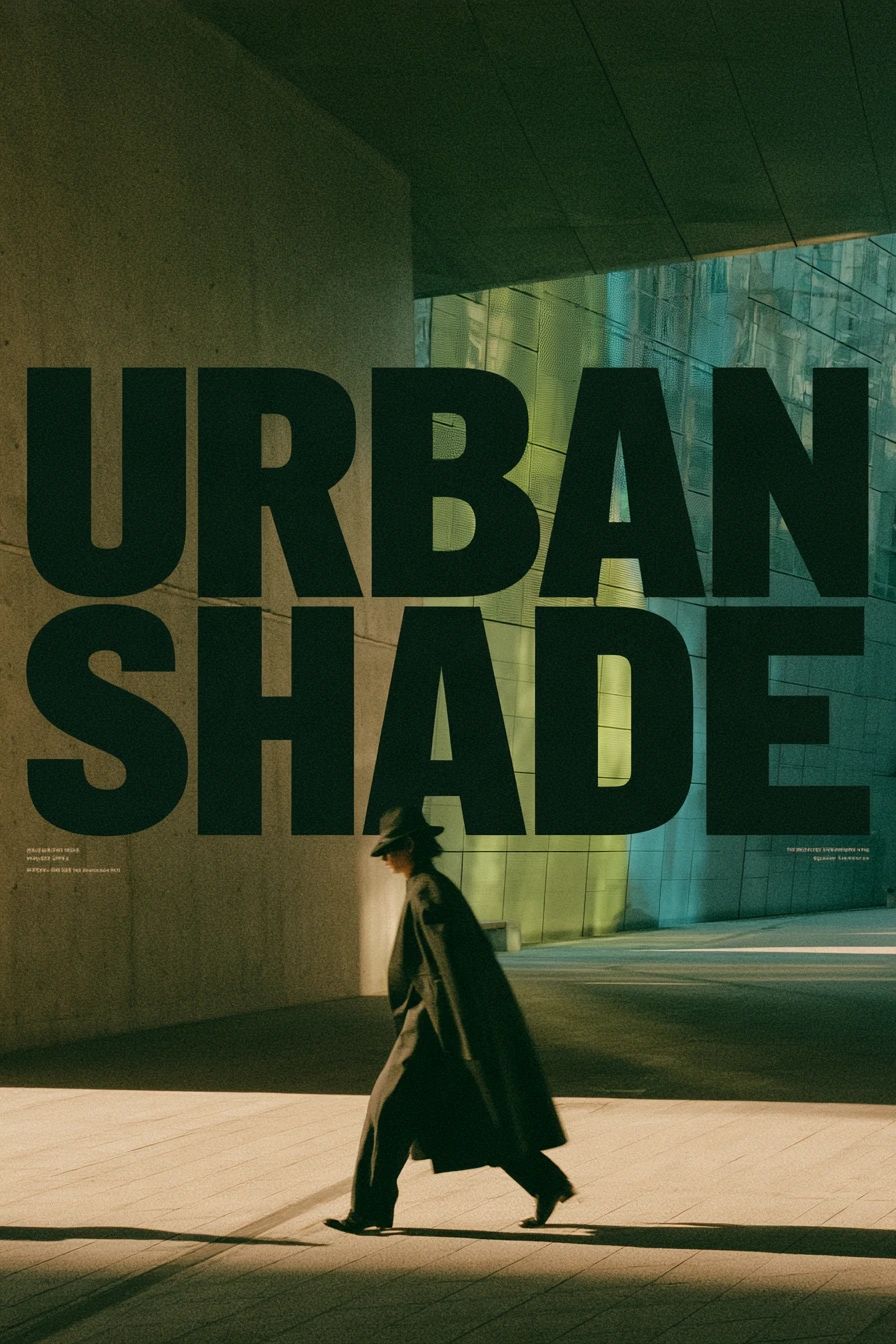
Long ago, picturing an autumn field of rice stubble after the harvest and swaying dry silvergrass, I made a scent. But I was too attached to the idea and built it mostly from one-dimensional herb and grass notes; it became a dull liquid that smelled of nothing but earth, and I left it forgotten in a drawer for a long time. Much later, I was sketching something new: a sharp, urban fougère with an edge as cold and smooth as a brutalist building. I don’t know what I was thinking that day, but I took out that failed sample, still rolling around, and poured it into the sharp city fougère. The moment the two scents, each answering a completely different question, collided, they blended into a strange harmony. Like nameless wild grass forcing its way through the cracks of a cold concrete wall, there rose the pleasure of rough nature seeping into the structure of a tightly controlled city.
What hits the nose first is the bitter, edged smell of green citrus peel. Like the wind that funnels between towers of glass and steel, it is a cold, vivid strike of green, carried on a smooth, cool breeze.
When the cool wind settles, the rough, bitter herbal scent of dusty silvergrass and rice stubble rises from below. The city’s polished aromatics and the wild texture of a country field tangle together, giving off something orderly yet oddly rebellious.
What smooths out the rough earth is the trail of a transparent wood, sleek as the surface of modern architecture. Despite its sharp edge, on the skin it stays as a clear, fresh amber, carrying an uncommon urban polish for a long time.
In the initial design, I explored a cold first impression with a bitter green citrus accord. Later, mixing and digging through the materials, I tried forcing the rough herbal green taken from that forgotten scent into the refined structure of a modern fougère. For the dry-down I put forward a transparent wood and a fresh amber accord as candidates, to set a clean edge.
Into a predictable city life that runs only by the blueprint, I wanted to bring the strange, captivating dissonance that only unplanned chance can make. I want to convey the rough, free energy hidden behind a cold, rational surface.
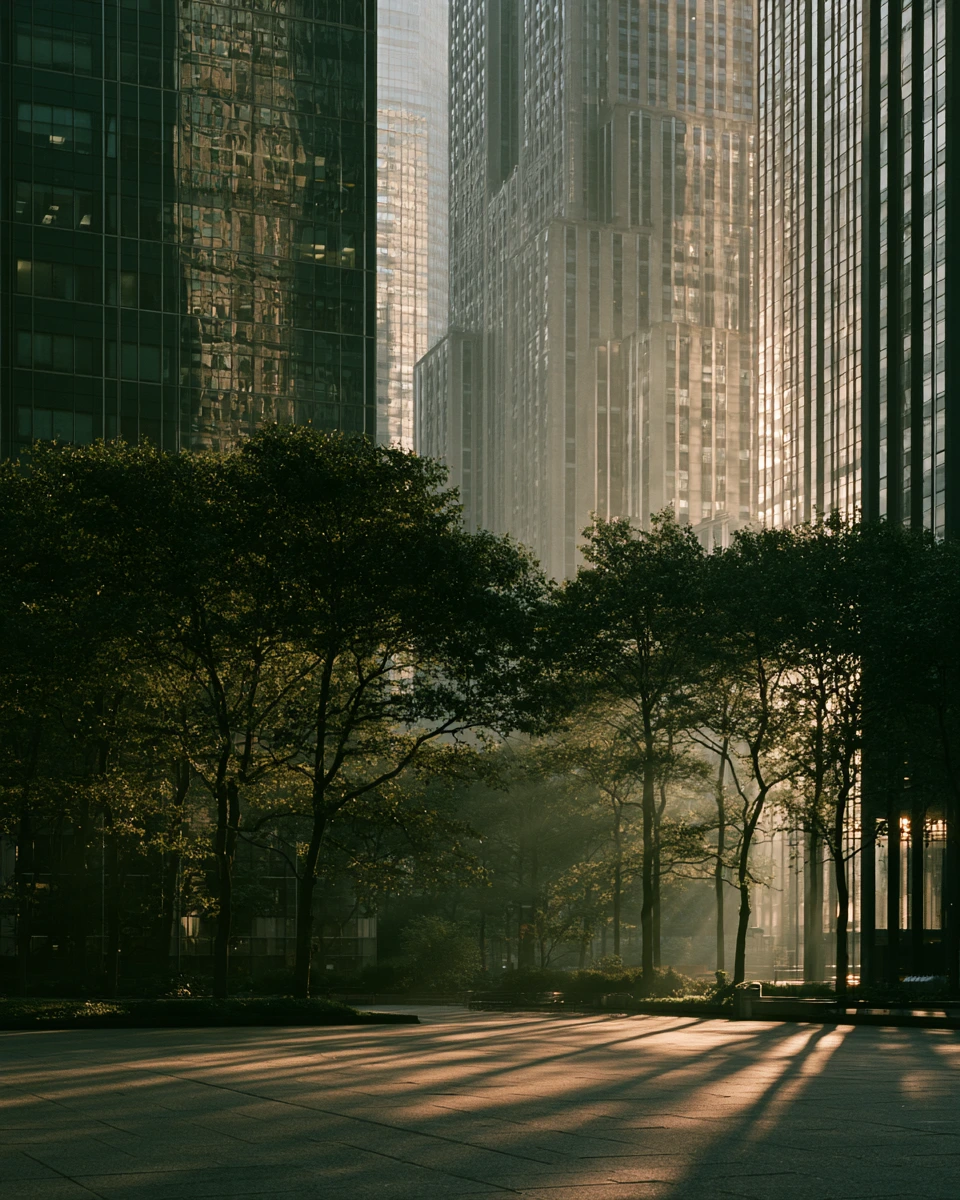
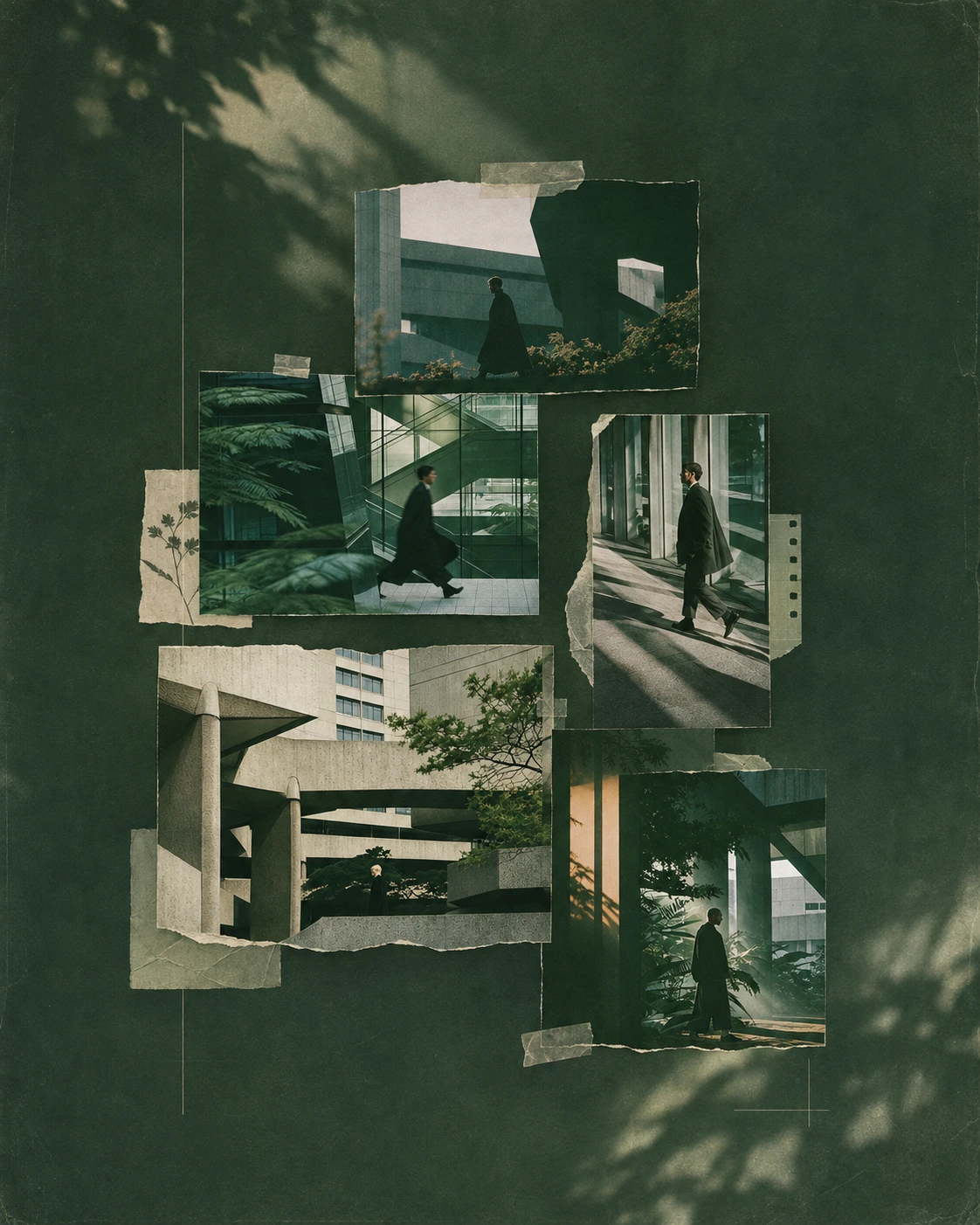
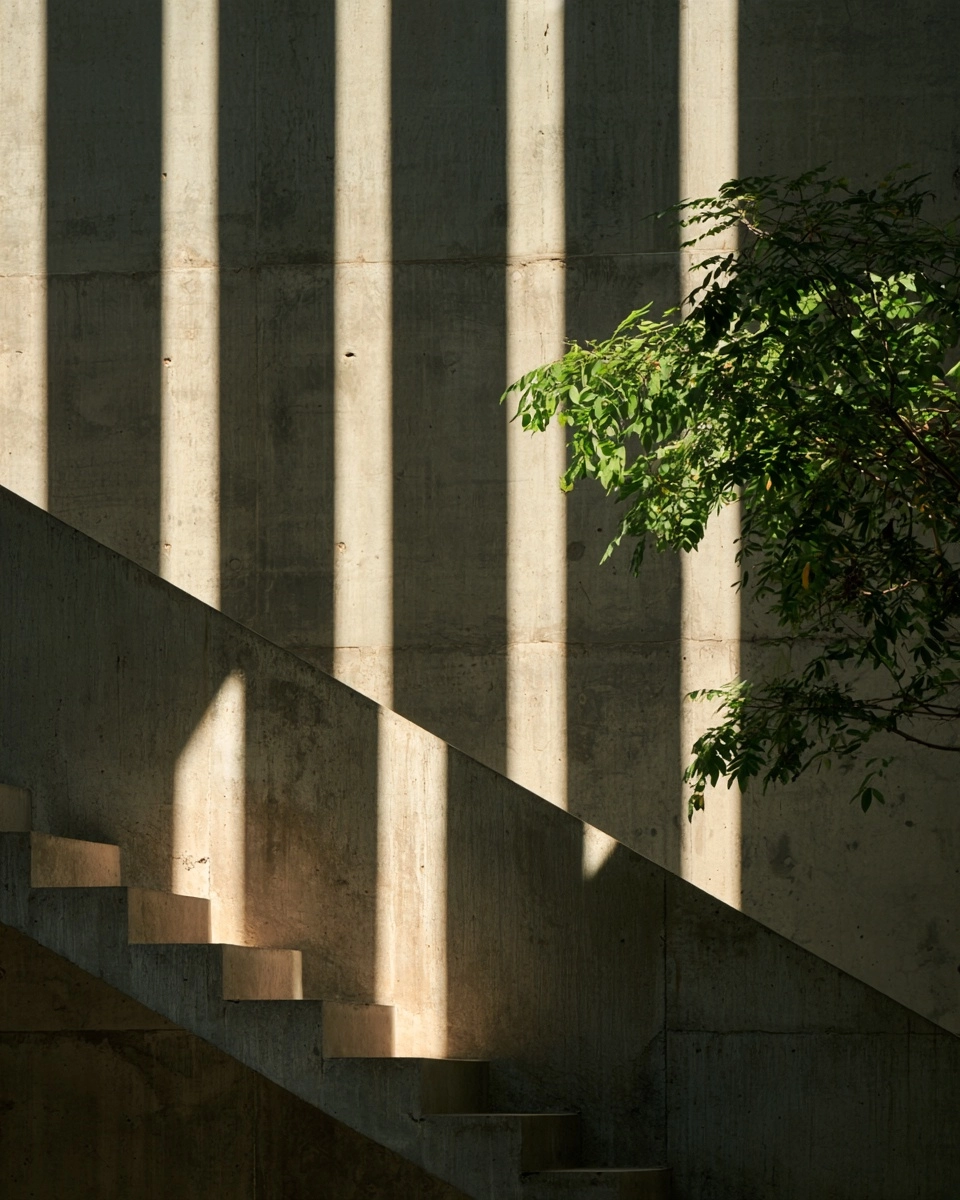
Beneath a smooth vertical concrete wall, dry wild grass growing as it pleases, and the rough breath of a dirt path.
At the End of the Search for My Own Point of View
Looking back, these eight months were not just the functional labor of blending six bottles of pleasant-smelling liquid. They were a long, lonely, philosophical struggle. What attitude would I read in an artist’s fierce work? How much of the rise and fall of frustration and joy I had lived through, watching the world, could I pour into a clear bottle? And how could I let go, without regret, of whatever finally failed to meet my standard? I had spent my whole life building structures that realize other people’s points of view, but for this project, before raising any frame, I had to dig all the way down and make sure the point of view was truly mine.
How these intense results will react when they meet the unfamiliar stage and culture of ‘Ahlfah! Melaka! 2026’ is something worth watching, too. How will the sharp Korean sensibility and aesthetic we worked so hard to translate be read within the local cultural context, and what new scenes might they become? For now, we stand at the threshold of that wide possibility, carefully feeling our way.
The four artist pairings and two independent scents that made it to the end are preparing to see the light of day, aiming for the 2027 S/S season. Of course, the practical contract terms, such as which brand will distribute them and who will ultimately release them, are still undecided, with countless variables in play.
But I don’t mind. I am still making things, as earnestly as ever. If one thing has changed from who I used to be, it is this: before blindly agonizing over “How do I make this?” while staring at a blueprint someone else hands me, I now ask myself first, “What do I truly want to make?”
What remains at the end of that relentless question are six points of view, cool and burning at once.